
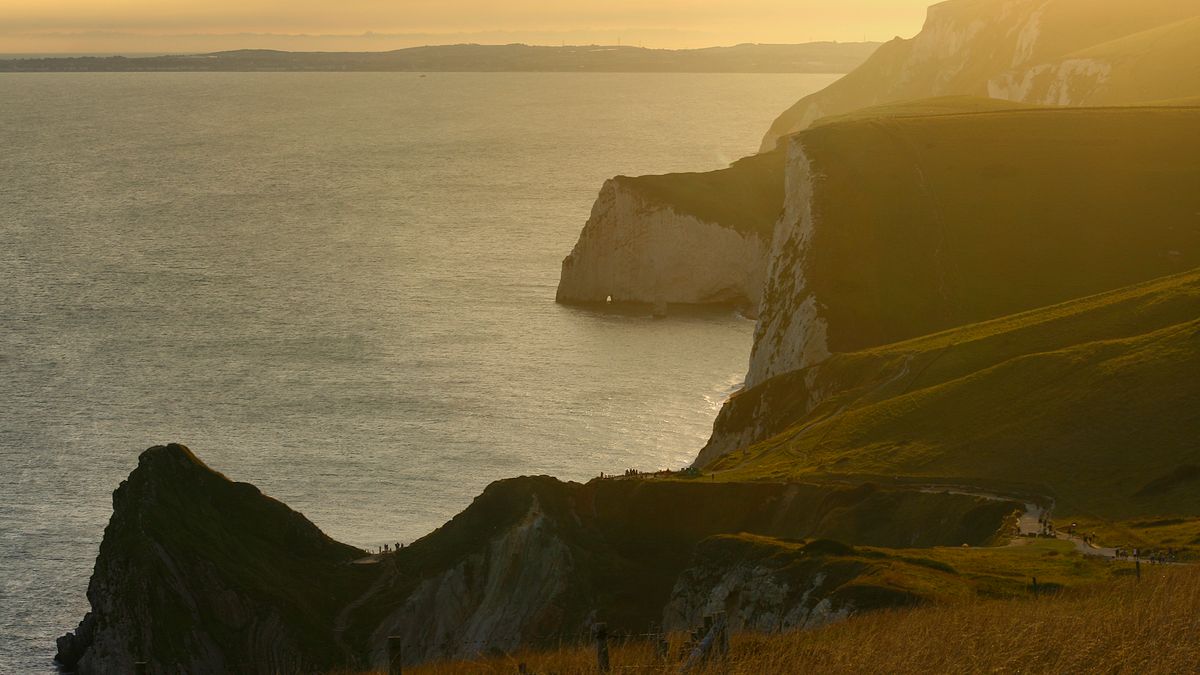
You set off from the car park under a clearing sky, the sea glittering below, and within twenty minutes you are mincing across a slick granite slab with wet feet and a racing heart. It is a familiar story on the British coast. Our trails are beautiful, but they are also frequently wet, muddy, and draped in seaweed. A pair of fashion trainers or lightweight running shoes might feel fine on a dry towpath, but they offer almost nothing when the path turns to grease. The right footwear is not a luxury; it is the difference between a glorious day out and a miserable, risky one. After heavy rain, the ground holds water for days, and the coast has a particular knack for combining mud, salt, and slippery rock in a single afternoon.
A waterproof boot keeps your feet dry, but that is only the beginning. Wet feet soften, blister, and lose sensation, which makes you more likely to stumble. Cold, wet feet also drain your energy far faster than you might expect. Look for a boot with a reliable waterproof membrane and a construction that seals the tongue and seams. Full-grain leather or a robust synthetic upper will shed water and resist the scuffs of rocky scrambles.
Height matters, too. A low shoe might keep splashes out, but a mid-height boot stops water from entering over the top when you step into a puddle or a boggy patch. That extra few centimetres also keeps grit and sand out. Breathability is the trade-off: a fully waterproof boot can feel clammy on a warm day, so choose one with a membrane that lets vapour escape. On a wet coastal walk, however, staying dry from the outside in is usually the priority.
Grip is where cheap footwear fails most dramatically. Wet coastal rock, especially when coated with algae or seaweed, is like ice. Mud adds another layer of jeopardy. Your boots need a sole that can bite into soft ground and cling to hard, wet surfaces. When you are comparing options, pay attention to three things:
Test your boots on a wet, sloping surface before you commit. If they slide on a damp kitchen tile, they will slide on a Cornish cliff path.
Coastal trails are rarely flat. You will step over tussocks, down worn stone steps, across boulder fields, and along narrow paths where a stumble could be serious. A boot that supports your ankle reduces the risk of a sprain and protects the bony prominences from knocks. Look for a boot with a firm heel counter, a supportive midsole, and a shank that stops sharp rocks from poking through the sole.
That said, more support is not always better. A very stiff mountaineering boot can feel clumsy on a gentle estuary path. For most UK coastal walking, a mid-weight boot with a flexible forefoot and a stable heel is ideal. If you prefer low shoes for speed, choose a pair with a rock plate and a snug heel, and accept that you will need to watch your step more carefully on rough ground.
A waterproof boot that does not fit is a torture device. Your toes should not touch the front when you kick downhill, and your heel should not lift when you walk uphill. Try boots on in the afternoon, when your feet are slightly swollen, and wear the socks you plan to use. Seamless wool or synthetic blends wick moisture and cushion impact. Cotton socks are a recipe for blisters.
Salt water and mud are hard on footwear. When you get home, rinse the mud off with cool water and a soft brush. Do not use a radiator or a hot airing cupboard to dry leather boots; the heat cracks the leather and warps the sole. Stuff them with newspaper and let them dry at room temperature. Once dry, clean leather with a gentle cleaner and reapply a waterproofing treatment. Synthetic uppers need less care, but a rinse and a fresh coat of spray-on proofer will keep them shedding water.
Check the soles for embedded stones and the laces for fraying. A little maintenance at the end of the day means your boots will be ready for the next spur-of-the-moment coastal adventure. And when the forecast is grim, remember: good boots do not just keep you comfortable. They keep you upright, and that is what allows you to enjoy the wild, wet, wonderful edge of Britain.

Hi, my name is Anthony kuber. I am artist and fashion designer.
I love to travel and writing blogging.
Your email address will not be published. Required fields are marked *
Software Developer & Writer
Hey, I'm Diva, a developer and writer blending code and creativity. I'm driven by a deep curiosity and a relentless pursuit of excellence. Join me as I craft digital solutions and captivating stories.


