
There is a particular pleasure in arriving at a traditional seaside town on a bright, cold morning in November. The deckchairs are stacked, the ice-cream kiosks are shuttered, and the promenade belongs to dog walkers, joggers and the occasional hardy swimmer in a woolly hat. What you lose in fairground noise you gain in space, light and a clearer sense of what the town is actually like.
Off-season visits suit anyone who prefers calm coastal breaks. Parking is straightforward, guesthouses are keen for custom, and the places that stay open — the bakery, the second-hand bookshop, the café with the sea view — tend to be run by people who genuinely love where they live. It is also the best time to look properly at the architecture. Without crowds and awnings in the way, you can see the ironwork, the tiled porches and the faded painted lettering on Victorian shopfronts.
A little preparation makes the difference between a bracing walk and a miserable one. Days are short, weather shifts quickly, and some businesses close for a fortnight in January.
Promenade walks are the obvious starting point, and they are genuinely better in winter. Look for towns with a curving sweep of seafront where you can walk the full length, past shelters, ornate lamp standards and the inevitable memorial to a shipwreck or a lifeboat crew. These are usually level, well surfaced and easy to shorten if the weather turns.
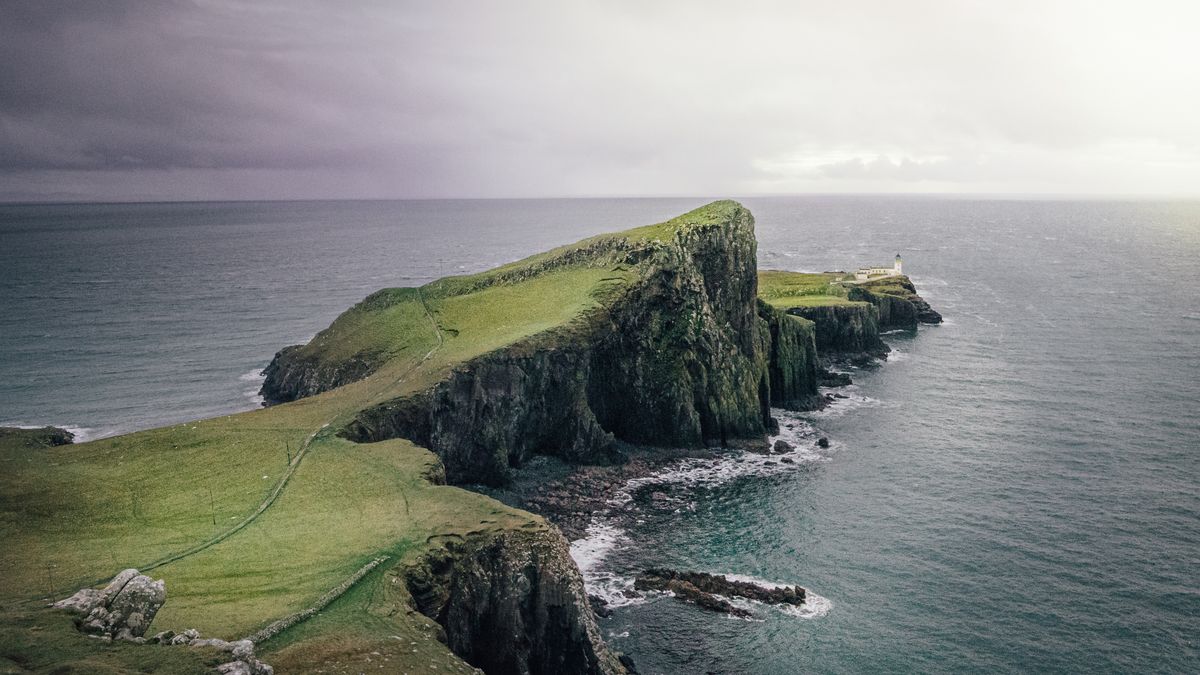
Cliff paths offer the drama. Any stretch of the long-distance coast path gives you big skies, views back over rooftops and church towers, and the chance to spot gannets and, in the colder months, seals hauled out on sheltered rocks. Keep to marked routes, heed erosion notices and never stand near the edge photographing the view — crumbling cliffs are a genuine hazard after rain.
Estuary and harbour walks are the quietest of all. Where a river meets the sea you often find salt marsh, old quays and the remains of a railway or a ferry landing. These are gentle, flat and rich in birdlife, especially in the months when waders and wildfowl arrive from further north. A pair of binoculars earns its place in your bag here.
The heritage that draws crowds in August is far more enjoyable when you have it to yourself. Many of the best things to see are free and outdoors.
Off-season is when you find the real town. The café that survives January is rarely there for the tourists; it is there for the regulars. Expect proper filter coffee, a bacon roll, and a landlord who will tell you which footpath floods and which pub lights its fire on a Tuesday.
Look out for traditional bakeries selling pasties, saffron buns or local lardy cake depending on where you are. Many independent shops keep winter hours of Wednesday to Saturday, so plan your browsing accordingly. A warm café at the halfway point of a walk, with mugs that cost a third of what they do in summer, is one of the quiet joys of the season.
Wear grippy footwear — promenade paving and stone steps become slick with seaweed and salt. Take cash, as a few small establishments still prefer it, and a flask, because the kiosk you were counting on may be closed. Dogs are welcome on most beaches between September and April, though a few towns maintain year-round restrictions, so read the signs at the slipway.
Finally, build in a fallback. A market hall, a parish church, a museum and a pub lunch can fill a wet afternoon very happily. The sea will still be there tomorrow, and a grey, empty promenade with a mug of tea in your hand is a distinctly British sort of contentment.

Hi, my name is Anthony kuber. I am artist and fashion designer.
I love to travel and writing blogging.
Your email address will not be published. Required fields are marked *
Software Developer & Writer
Hey, I'm Diva, a developer and writer blending code and creativity. I'm driven by a deep curiosity and a relentless pursuit of excellence. Join me as I craft digital solutions and captivating stories.


