
A pound spent in a coastal town rarely sits still. When you hand it over at a family-run guesthouse, a harbour-side café or a village bakery, a good share of it goes straight back out again — to the local fishmonger, the bloke who fixes the boiler, the teenager hired for the summer season. Spend the same money in an out-of-town retail park and much of it leaves the area before the weekend is over.
That difference matters more in seaside towns than almost anywhere else. Many depend on a short, frantic season to carry them through the quiet months, and the businesses that survive are usually the small ones. So supporting them is not about being worthy — it is simply about getting a better break. Independents tend to know the tide times, the quiet beaches and the best crab sandwich for miles.
Where you sleep is the single biggest chunk of your holiday spending, so start there. A family-run guesthouse, a converted coastguard cottage or a small B&B usually keeps far more of your money in the town than a chain hotel on the ring road — and you will get better local advice for free.
Harbour-side cafés, beach huts selling ice cream and pubs with a chalkboard menu are the heartbeat of a seaside town. They also tend to buy from the boats landing a few metres away, which means fresher fish and a shorter journey from sea to plate.
Eat your main meal at lunchtime rather than in the evening if you want to catch the day's catch, and ask the staff what came in that morning. Mackerel, crab and mussels are at their best in the warmer months, while autumn and winter bring excellent shellfish and skate. If you are self-catering, a fishmonger will often prepare and bag a whole fish for you at no extra cost — just ask.
Book ahead in high season, especially for a table with a view, and don't overlook the humble café that has been frying chips in the same spot for forty years. It is part of the heritage.
Doing your food shop on the high street rather than at a supermarket on the bypass is one of the easiest swaps you can make. It costs roughly the same, tastes considerably better, and keeps the money circulating locally.
Some of the best money you will spend on a seaside break goes on things rather than stuff. Boat trips to see seals, guided rock-pool rambles, sea-shanty evenings in a back room, gig-rowing taster sessions, fossil walks along the cliffs — these are usually run by people who live in the town and reinvest in it.
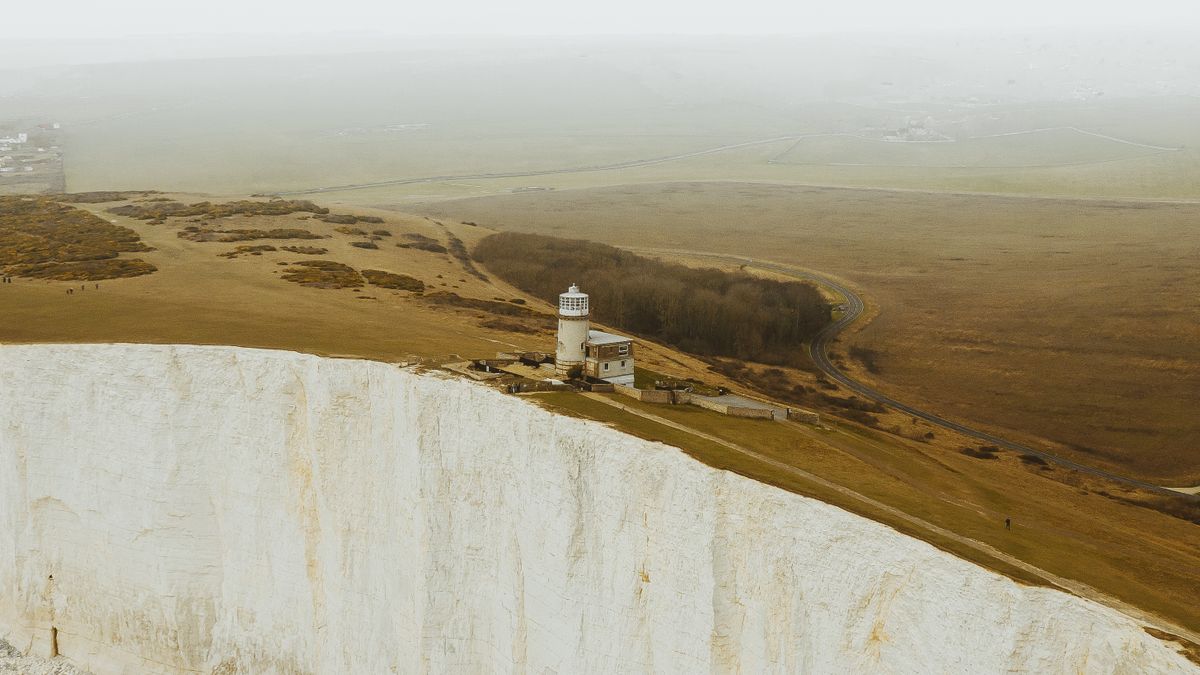
Look out too for the small trusts and volunteer groups that keep the pier, the lighthouse, the lifeboat station and the little maritime museum open. A few pounds in the donation box or an annual membership goes a long way, and the volunteer on the door will often tell you stories no guidebook carries.
None of this requires heroics. A few quiet choices over a long weekend add up to a genuine difference.
Spend well, eat locally, and you will come home with more than a suntan. You will have had a warmer welcome, a better breakfast and the quiet satisfaction of knowing your money stayed where the tide is.

Hi, my name is Anthony kuber. I am artist and fashion designer.
I love to travel and writing blogging.
Your email address will not be published. Required fields are marked *
Software Developer & Writer
Hey, I'm Diva, a developer and writer blending code and creativity. I'm driven by a deep curiosity and a relentless pursuit of excellence. Join me as I craft digital solutions and captivating stories.


