
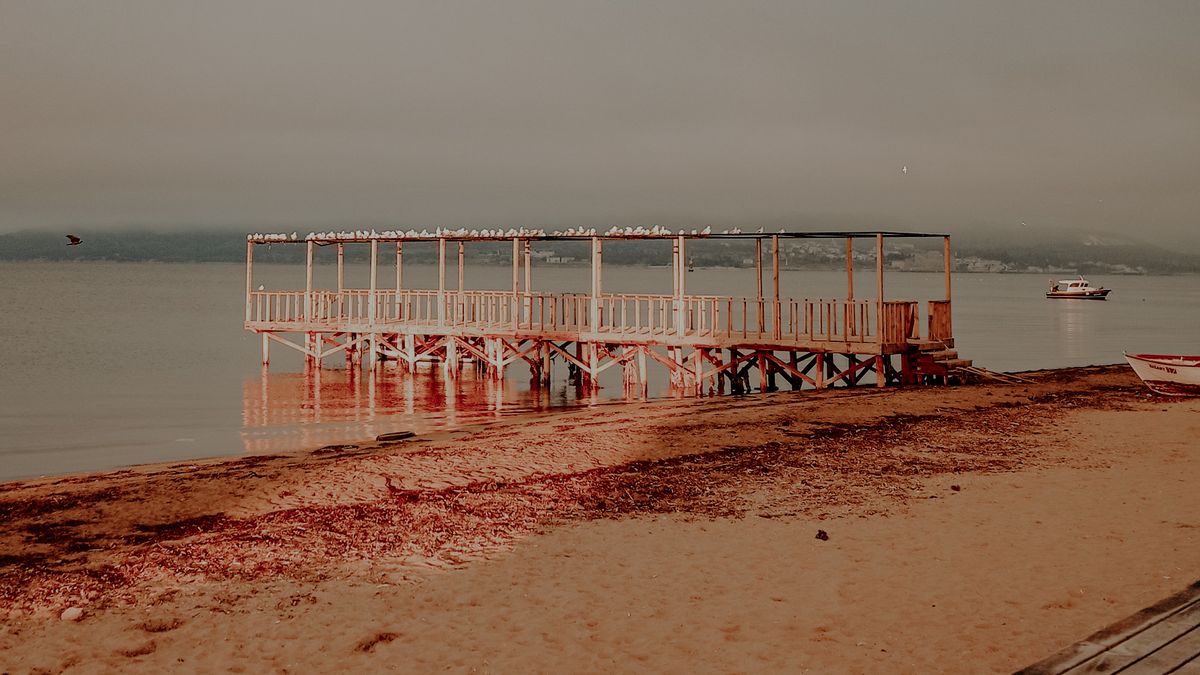
Coastal walks are rarely just about the view. Every headland, bay, and jagged reef has a story to tell, and many of those stories involve ships that never made it home. Tracing the history of coastal shipwrecks is a rewarding way to add depth to a seaside stroll. With a little preparation, you can turn a clifftop path into a journey through maritime misfortune, human courage, and changing technology.
The coastline itself is a record. Erosion exposes timbers, rusted fittings, and ballast stones after winter storms. Local people often know where wreckage appears, and their knowledge is passed down through generations. But the sea does not give up its secrets easily. To build a fuller picture, you need to combine what you see on the ground with what has been written down and what has been preserved in museums.
Start by choosing a stretch of coast with a reputation for danger. Headlands such as Land's End, St Abb's Head, and the Mull of Galloway have claimed hundreds of vessels. Their stories are rarely about a single dramatic event; they are about fog, tide, gale, and human error combining in often predictable but rarely avoidable ways.
Before setting out, study a detailed map. Look for names that hint at wrecks: 'Wreck Bay', 'Deadman's Cove', 'Hobblin Point'. On the walk, pay attention to the coast's shape. A headland jutting into a prevailing wind, a hidden reef, or a narrow channel between rocks are all natural traps. Notice where the path dips to a small beach or cove: these were often the only landing places for rescue attempts.
If you carry a camera, photograph any memorial you find. Note its location, as this will help you cross-reference with written records later.
Local archives are the backbone of shipwreck research. County record offices, local studies libraries, and maritime museums hold documents that are often overlooked. You need not be a historian. Most have friendly staff and online catalogues.
When you visit an archive, take a notebook and pencil (pens are often banned). Be prepared to spend a couple of hours. The thrill of finding a first-hand account of a wreck you saw marked on a clifftop is hard to beat.
Small coastal museums often hold the most evocative collections. They may display a ship's bell, a figurehead, or a piece of a vessel's nameplate. These objects are not just curiosities; they are tangible links to specific events. Look for labels that explain where the item was found and which wreck it came from.
Some museums have created wreck trails linking exhibits to coastal viewpoints. If planning a walk, ask at the local museum or heritage centre first. They can tell you which stretches have the most accessible stories, and which sites to avoid due to unstable cliffs or protected wrecks.
Many dangerous headlands now have viewpoints or simple benches facing the sea. These are often placed where rescue crews once watched for ships in distress. Sitting there with a flask and a local wreck list is a powerful way to connect with the past.
If you find a marker or memorial that is damaged or overgrown, report it to the local parish council or heritage group. They rely on walkers to help keep these stories alive.
For a shipwreck-themed walk, plan a circular route taking in a headland, a harbour, and a museum. Allow time for reading and reflection. Check tide times, weather forecasts, and access restrictions. Some coastal paths are closed during nesting season or after landslips.
Above all, walk with respect. The coast is a working environment and a place of remembrance. By taking an interest in its shipwrecks, you help ensure that the stories of those lost vessels are not forgotten.

Hi, my name is Anthony kuber. I am artist and fashion designer.
I love to travel and writing blogging.
Your email address will not be published. Required fields are marked *
Software Developer & Writer
Hey, I'm Diva, a developer and writer blending code and creativity. I'm driven by a deep curiosity and a relentless pursuit of excellence. Join me as I craft digital solutions and captivating stories.


