
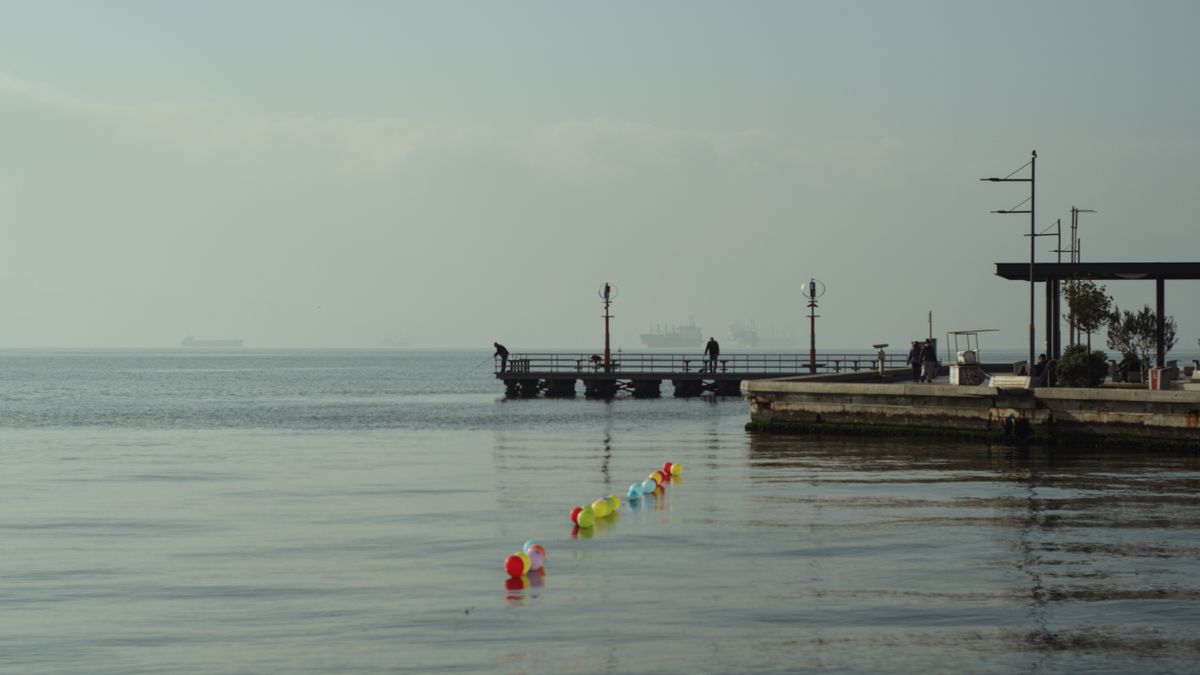
A stone quay wall is not a monument. It is a working thing, and it has been working for two hundred years. It holds back the sea, it carries carts and cars, it shelters boats from a north-easterly, and it gives a village its shape. When a bulging section of quay is replaced with sheet piling, or a row of Victorian bollards is quietly removed, something more is lost than masonry.
Across the UK, small bands of volunteers — harbour associations, civic societies, amenity trusts, parish councils and informal groups of residents — are holding the line. They point walls, clear slips and steps, chase grants, and spend their Saturdays with buckets of lime mortar. Their work is unglamorous and it matters enormously.
Resist the urge to start repointing. Spend a season watching. A well-run condition survey costs very little and tells you where the real problems are.
Most harbour walls were built with lime mortar, and they must be repaired with lime mortar. Cement pointing is too hard, too stiff and too impermeable. It traps moisture inside the wall, forces it out through the stone, and turns a repairable wall into a pile of spalled rubble. The rule is simple: the mortar should be weaker than the stone, so it fails first.
Matching the mix matters as much as the material. A hydraulic lime putty for a wet, wave-washed pier is a different proposition from a non-hydraulic lime for a sheltered inner quay. Get a conservation-accredited engineer or a specialist mortar analyst involved early, and test a small panel before committing to a whole elevation.
Skills are the bottleneck. Practical routes include short courses in lime pointing run by building preservation trusts, apprenticeships with working stonemasons, and, for inland and cliff-edge walls, the dry stone walling associations whose members already know how to rebuild a wall that holds without mortar. If you cannot find trained hands locally, budget for training — it is cheaper than repairing a botched repair.
Harbour walls attract paperwork, and rightly so. Before work begins, expect to deal with several regimes at once.
Sequence the work around neap tides where possible, and allow generous contingency. Volunteer effort is precious; a project that loses three weekends to weather and then runs out of daylight is a project that loses momentum.
Heritage is not only stone. The knowledge held by retired fishermen, ferrymen, harbourmasters, boatbuilders and net menders is irreplaceable and it is going quickly. Oral history projects are cheap, effective and genuinely enjoyable to run.
Buy a decent digital recorder, use a lapel microphone, and always get a signed consent form covering transcription, archiving and online use. Prepare open questions rather than a script — ask about the first boat they worked on, what the harbour smelled like at low tide, where the ice came from, which pub the crews used, how the wall was repaired after the 1953 surge. Transcribe the best recordings and deposit copies with the county record office, the local museum or the harbour trust. Then use extracts on simple interpretation panels, in school projects and at the annual regatta. Photographs, tide tables, launch lists and old harbour plans should be scanned and catalogued alongside them.
Working harbours are under constant pressure from schemes that treat them as scenery. The answer is not to oppose change, but to insist on the right kind.
Adopt a design guide for the harbour area, get it referenced in the neighbourhood plan or conservation area appraisal, and use it consistently. Comment on every relevant planning application, in writing, with photographs and the heritage evidence you have gathered. Ask specific questions: does the scheme retain working quay space and mooring, or does it convert it to private balconies? Are the materials, heights and rooflines consistent with the existing grain? Has the applicant assessed the impact on the historic fabric and on the harbour's working use?
Local authorities respond to well-argued, evidence-led objections far more than to outrage. Combine your heritage record, your oral histories and your condition survey into a single, tidy dossier — and keep it updated. That document, quietly maintained by a handful of people, is often the thing that protects a harbour for the next generation.

Hi, my name is Anthony kuber. I am artist and fashion designer.
I love to travel and writing blogging.
Your email address will not be published. Required fields are marked *
Software Developer & Writer
Hey, I'm Diva, a developer and writer blending code and creativity. I'm driven by a deep curiosity and a relentless pursuit of excellence. Join me as I craft digital solutions and captivating stories.


