
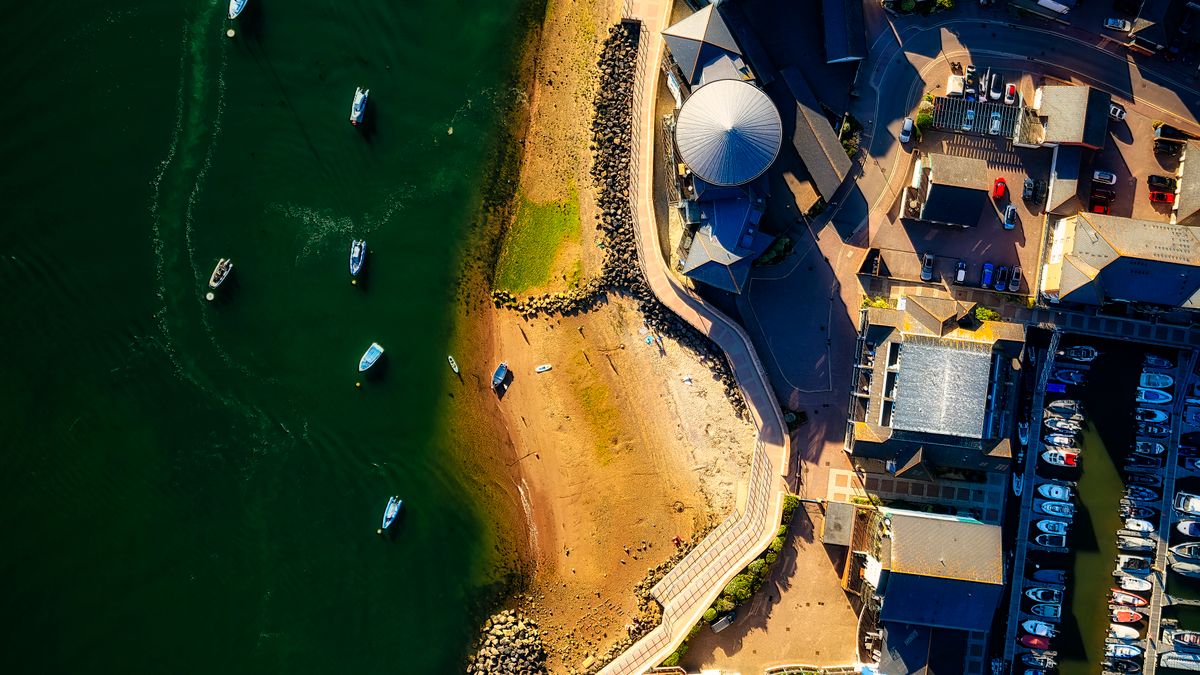
A day on the coast is rarely just a walk. It is a cliff path with a view, a harbour wall with a story, and a cup of tea in a village that once built ships. The trick is to pack for the walk and the heritage stop, because a sunny start can turn into a damp headland by mid-afternoon. Whether you are following a section of the coast path, pottering around a sea loch, or exploring the promenade at a Victorian seaside town, a little preparation keeps the day enjoyable.
Before you pack, look at two things: the weather forecast and the tide timetable. Coastal weather shifts quickly. A calm morning can bring a stiff sea breeze by lunchtime, and sea fret can roll in within minutes. Check the forecast for the specific stretch of coast, not just the nearest town, and note the wind speed. If the tide is coming in, plan your route so you are never cut off on a beach or causeway.
Write down or screenshot the tide times. Signal can vanish in coves and under cliffs, so having the details saved is more useful than hoping to check later. If you are visiting a heritage site, check its opening times too. Many small museums, lifeboat stations and harbour cafes keep limited hours outside the main season.
Pack a waterproof jacket with taped seams rather than a shower-resistant shell. It should fit over a fleece without feeling tight, and it needs a hood that stays up in wind. Underneath, wear a breathable base layer and carry a light fleece or insulated mid-layer. Avoid cotton next to your skin; if it gets damp, it stays damp and chills you on an exposed clifftop.
Add a hat and gloves in cooler months, and a sun hat or cap in summer. A lightweight scarf or buff is useful for wind and spray. For footwear, choose trainers or walking shoes with good grip. New boots are a blister risk, so stick to footwear you trust. Take a spare pair of socks in a dry bag, especially if you plan to cross wet sand or paddle in a stream.
Bring at least one litre of water per person for a half-day walk, and more if the route is hilly or the day is warm. Coastal paths often have no shops or cafes for miles, and the nearest village can be further than it looks on the map. A reusable bottle is lighter than several small ones and creates less litter.
If you are visiting a seaside heritage site, check whether there is a cafe. Many harbour towns have excellent independent bakeries, but they may sell out by early afternoon. Carrying your own food means you are not relying on a seasonal kiosk being open.
Sunburn happens on cloudy days too. Up to 80 per cent of UV rays can pass through light cloud, and sea and sand reflect them back at you. Use a broad-spectrum sun cream with SPF 30 or higher, and apply it to your face, ears, neck, hands and any exposed legs. Reapply every two hours, and more often if you are sweating or swimming.
Pack sunglasses with UV protection and a hat with a brim. A lip balm with SPF prevents cracked lips in wind and sun. If you are walking with children, put sun cream on before you leave and keep the tube in an outside pocket so you can top up without emptying your rucksack.
A charged phone is essential. It is your map, camera, tide checker and emergency contact. Charge it fully before you leave, and carry a small power bank if you will be out all day. Cold weather drains batteries faster, so keep the phone in an inside pocket rather than a cold outer one. Download an offline map of the area before you set off, because signal is patchy on many coastal paths.
Other small items earn their place:
Tell someone where you are going and when you expect to be back. If plans change with the weather, send a quick message while you still have signal.
Coastal heritage is fragile. Stick to marked paths on clifftops, close gates behind you, and do not climb on ruined walls or unstable masonry. Take your litter home, including fruit peel and crumbs that can harm wildlife. If you are visiting a church, harbour or old lifeboat station, a small donation helps keep it standing for the next walker.
Finally, leave room in your rucksack for a souvenir that is not plastic: a leaflet, a postcard or a locally made treat. A day on the coast is about the walking and the stories, and the best kit is the kit that lets you enjoy both without worry.

Hi, my name is Anthony kuber. I am artist and fashion designer.
I love to travel and writing blogging.
Your email address will not be published. Required fields are marked *
Software Developer & Writer
Hey, I'm Diva, a developer and writer blending code and creativity. I'm driven by a deep curiosity and a relentless pursuit of excellence. Join me as I craft digital solutions and captivating stories.


