
You’ve been there. The reels are spinning, the lights are flashing, and that little voice says, “Just one more spin.” Next thing you know, an hour has vanished and your balance is lighter. Slot machines are the most popular form of casino gambling worldwide, raking in billions annually. But why are they so hypnotic? It’s not just luck; it’s a carefully engineered blend of psychology, mathematics, and sensory overload designed to keep you playing. Let’s pull back the curtain on the mechanics of modern slots, explore the psychology that keeps you hooked, and arm you with practical strategies to enjoy the game without losing your shirt.
Gone are the days of mechanical reels and pull handles. Today’s slots are digital computers running on Random Number Generators (RNGs). Every millisecond, the RNG cycles through thousands of numbers, and when you hit spin, it freezes on one set. That set determines the outcome. The symbols you see on the screen are just a visual representation of that outcome.
The key metric to understand is Return to Player (RTP). This is the percentage of all wagered money that a machine pays back to players over time. For example, a slot with 96% RTP returns $96 for every $100 bet, on average. The house edge is the remaining 4%. But here’s the catch: RTP is calculated over millions of spins. In a single session, you could win big or lose everything. Variance (volatility) determines how often and how much you win. High-volatility slots pay less frequently but offer larger jackpots, while low-volatility slots pay smaller amounts more often.
Understanding these numbers won’t make you psychic, but it helps you pick machines that align with your goals. If you want a long, entertaining session, go for low volatility. If you’re chasing a life-changing jackpot, high volatility is your game—just be prepared for dry spells.
Slot machines are masters of psychological manipulation. They trigger the same reward pathways in your brain as addictive substances. Here’s how they do it:
These tactics aren’t illegal; they’re just good business. But being aware of them is your first line of defense against losing control.
Unlike slots, poker is a game of skill. Yes, luck plays a role in the short term, but over thousands of hands, the better player wins. The psychology here is different: you’re not battling a machine; you’re battling other humans. Reading opponents, managing your emotions (tilt), and making mathematically sound decisions are what separate winners from losers. สล็อต goes into the finer points.
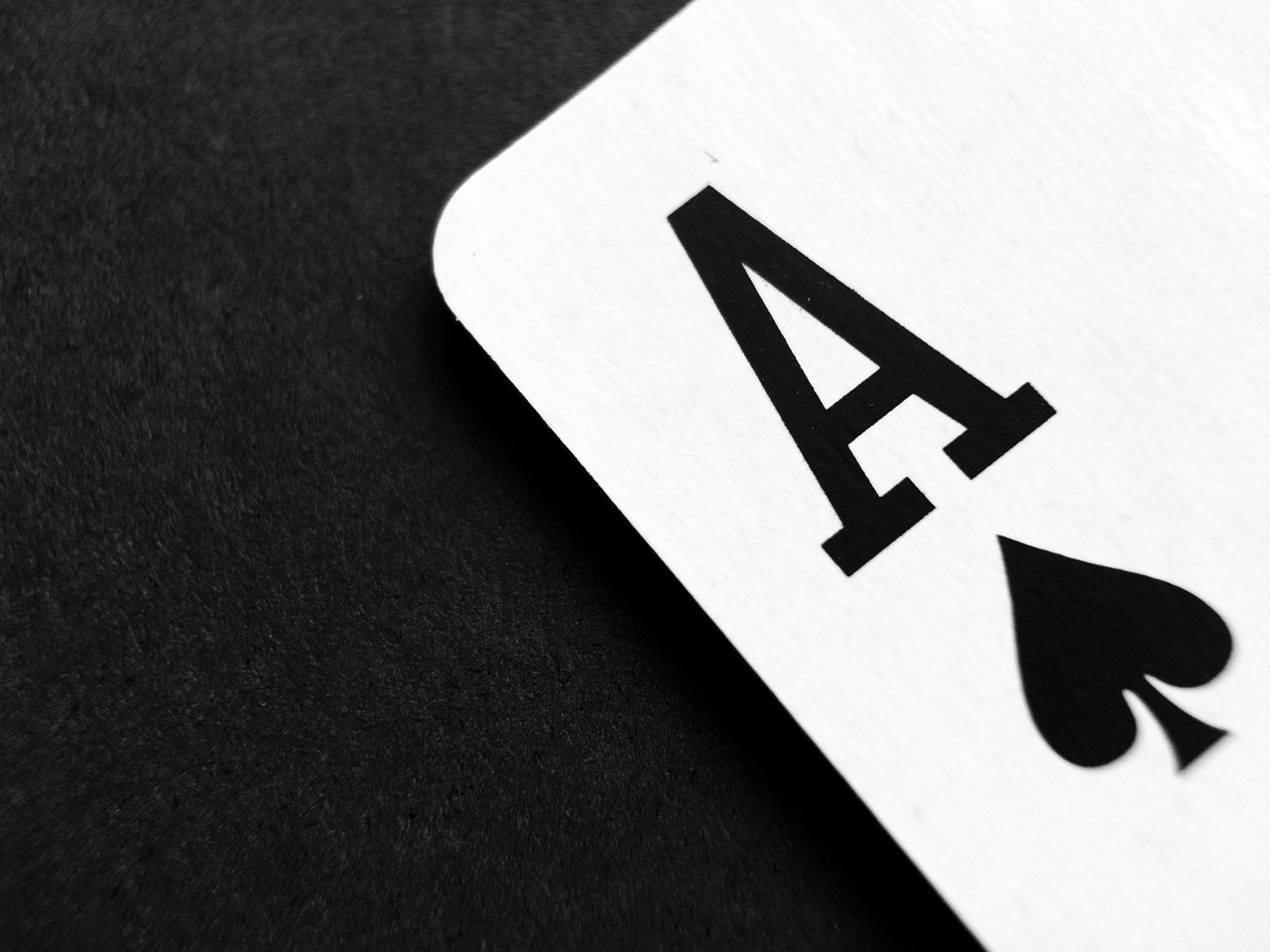
Consider this: In Texas Hold’em, if you’re dealt pocket aces, you have an 85% chance of winning against a random hand. But if you play those aces poorly—say, by slow-playing and letting opponents catch up—you can still lose. The lesson? Poker rewards discipline and aggression, not just luck.
If you’re new to poker, start with play money or micro-stakes online. Learn position (acting last is a huge advantage), pot odds (the ratio of the current pot size to the cost of a call), and hand ranges. Avoid the trap of playing too many hands. Tight and aggressive is the mantra for beginners.
Sports betting has exploded in popularity, especially with mobile apps making it as easy as ordering a pizza. But here’s the hard truth: bookmakers build in a margin (the vig) on every bet, typically 4-10%. Over time, the house always wins unless you have a genuine edge.
Sharp bettors look for value—when the implied probability of an outcome is lower than the true probability. For example, if you believe a team has a 50% chance to win, but the odds imply only 40%, that’s a value bet. The key is to line shop: compare odds across multiple sportsbooks to find the best price.
Emotional betting is the biggest bankroll killer. Betting on your favorite team because you “believe” they’ll win is a fast track to the poorhouse. Stick to a unit size (1-2% of your bankroll per bet) and never chase losses. If you’re on a cold streak, step away. The games will still be there tomorrow.
Whether you’re spinning slots, playing poker, or betting on sports, the principles of responsible gambling are universal. Here are five actionable tips:
Remember, gambling is entertainment, not a retirement plan. If it stops being fun, it’s time to reassess.
The iGaming world is a dazzling carnival of lights, sounds, and promises of fortune. But behind the spectacle lies a sophisticated industry that profits from human psychology. You can’t beat the house in the long run—not on slots, not on sports betting. But you can play smarter, longer, and with more enjoyment by understanding the odds, recognizing the mind games, and setting firm boundaries. The next time you hit spin, do it with your eyes open. That’s the real jackpot.

Hi, my name is Anthony kuber. I am artist and fashion designer.
I love to travel and writing blogging.
Your email address will not be published. Required fields are marked *
Software Developer & Writer
Hey, I'm Diva, a developer and writer blending code and creativity. I'm driven by a deep curiosity and a relentless pursuit of excellence. Join me as I craft digital solutions and captivating stories.


