
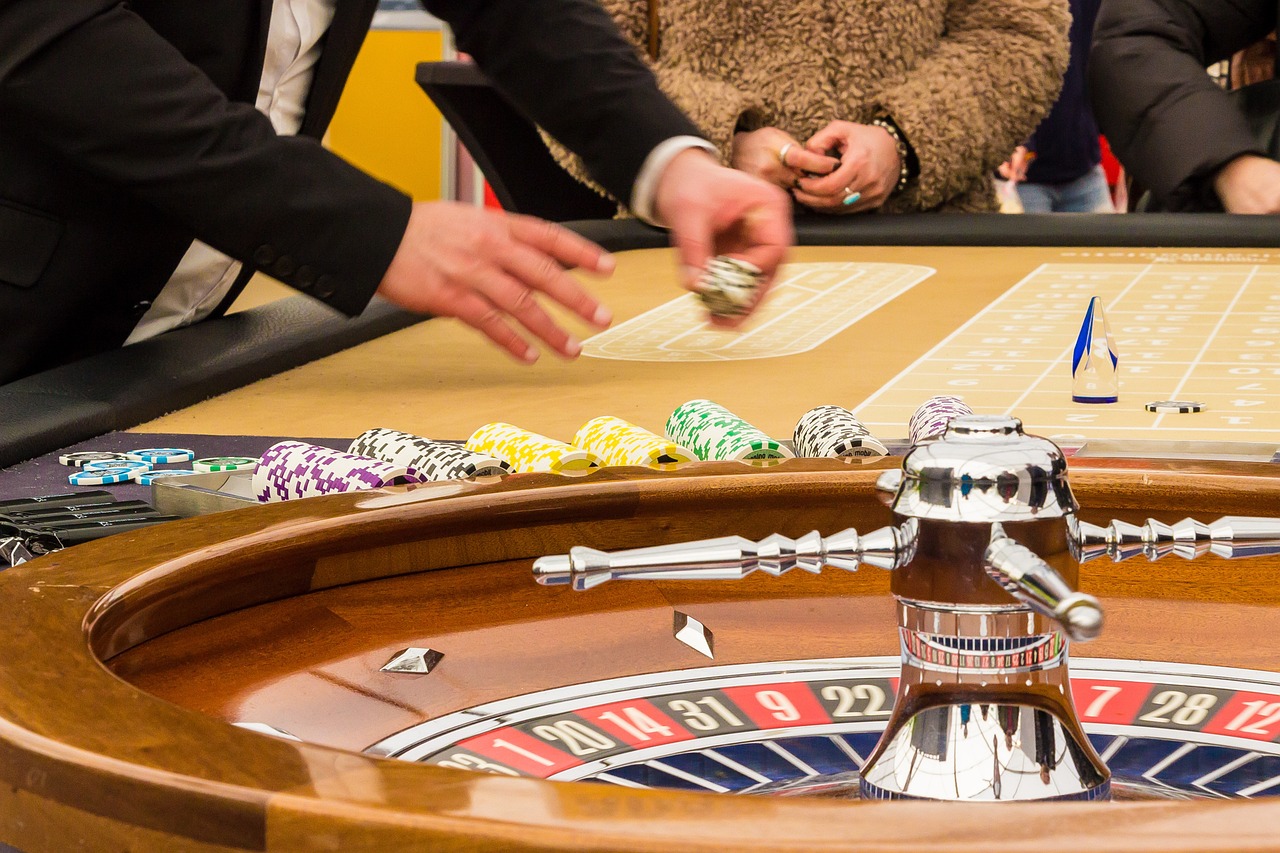
You’ve seen the flashy ads: a grinning guy in a tailored suit, a roulette wheel spinning in slow motion, a jackpot counter ticking into the millions. The iGaming industry loves a good fantasy. But beneath the neon glow, there’s a very real ecosystem of math, psychology, and rapidly shifting technology. Whether you’re a casual slots spinner, a poker grinder, or someone who enjoys a weekend football bet, understanding how this world actually works is the difference between entertainment and frustration. Let’s cut through the hype.
Slots are the cash cow of online casinos, accounting for roughly 70% of all gaming revenue in many markets. Yet they remain the most misunderstood. The core of every digital slot is a Random Number Generator (RNG). It’s a piece of software that constantly produces a string of numbers, and when you hit 'spin', it grabs the next sequence to determine the outcome. There is no memory. The machine doesn’t know you’ve lost ten times in a row. It doesn’t care.
What you should care about is Return to Player (RTP). This is the theoretical percentage of all wagered money that a slot will pay back over millions of spins. A 96% RTP slot returns $96 for every $100 bet, on average. But here’s the catch: that 4% house edge is what keeps the lights on. High-volatility slots (like many Megaways titles) pay out rarely but can be huge. Low-volatility slots pay small amounts frequently. Your choice should match your bankroll and patience, not the size of the jackpot on the banner.
Another trap: the gambler’s fallacy. Thinking a machine is 'due' for a win because it’s been cold. It isn’t. Each spin is independent. The only real strategy is setting a loss limit before you start and sticking to it. If you’re chasing a $10,000 jackpot on a $1 bet, you’re not playing a game—you’re buying a lottery ticket with extra steps.
Unlike slots, poker is a skill game. The house doesn’t play against you; it takes a rake (a small cut of each pot). That means your long-term profit comes from other players’ mistakes. If you can’t spot the fish at the table, you are the fish.
Online poker in 2025 is tougher than ever. Solvers (AI-driven game theory tools) have raised the baseline. But that doesn’t mean you can’t win. It means you need to focus on fundamentals: You can read more about it on SHBET.
One concrete tip: in micro-stakes games ($0.01/$0.02), most players are too loose and too passive. Value bet relentlessly with strong hands. Bluffing is overrated at that level—they’ll call you anyway. There is a useful overview at SH BET.
Sports betting has exploded thanks to mobile apps and in-play markets. But most bettors lose because they treat it like a lottery. The bookmaker’s edge (the vig or juice) is built into the odds. A standard -110 line on a point spread means you must win 52.4% of your bets just to break even. That’s a high bar.
Smart bettors look for value, not certainties. Value is when you believe the true probability of an outcome is higher than the implied probability of the odds. For example, if a team has a 50% chance to win, but the odds are +120 (implied 45.5%), that’s a value bet. Over time, that edge compounds.
Also, pay attention to line movement. If a line opens at -3 and moves to -6, sharp money is likely on that side. You don’t have to follow it blindly, but it’s information. And never bet on your favorite team just because you love them. Emotions are expensive.
Welcome bonuses are the bait. A 100% match up to $500 sounds great until you see the wagering requirement: 40x. That means you must bet $20,000 (40 times the bonus) before withdrawing a cent. And slots usually contribute 100% toward wagering, while table games and poker might contribute only 10% or 0%.
Before claiming any bonus, ask:
Sometimes a no-deposit bonus or a reload offer is better than a huge match with impossible terms. And if you’re a winning player, many casinos will limit or ban you from promotions anyway. Loyalty is a one-way street.
iGaming is entertainment, not a retirement plan. The house always has an edge in casino games and sports betting. Poker is the exception, but even there, variance is brutal. The best players go on downswings lasting thousands of hands.
Set strict limits: time limits, deposit limits, and loss limits. Use the tools casinos provide—they’re not just for show. If you feel you’re chasing losses or hiding your play from family, stop. Take a break. The games will still be there tomorrow. The goal is to have fun, not to fix your finances with a lucky spin.
iGaming is evolving fast. Crypto casinos offer anonymity and faster withdrawals, but often with less regulation. AI is being used for personalized bonuses and even to detect problem gambling patterns. Skill-based slots and hybrid games (like slots with puzzle elements) are emerging, blurring the line between casino and video game.
For now, the fundamentals remain: understand the math, manage your money, and never bet more than you can afford to lose. Whether you’re spinning for fun or grinding a poker tournament, knowledge is your only real edge.

Hi, my name is Anthony kuber. I am artist and fashion designer.
I love to travel and writing blogging.
Your email address will not be published. Required fields are marked *
Software Developer & Writer
Hey, I'm Diva, a developer and writer blending code and creativity. I'm driven by a deep curiosity and a relentless pursuit of excellence. Join me as I craft digital solutions and captivating stories.


